When you need to get ready fast, Home Survival Prep doesn’t have to be overwhelming. Start with the essentials. Focus on food, water, and a few key supplies that can make a big difference in an emergency.
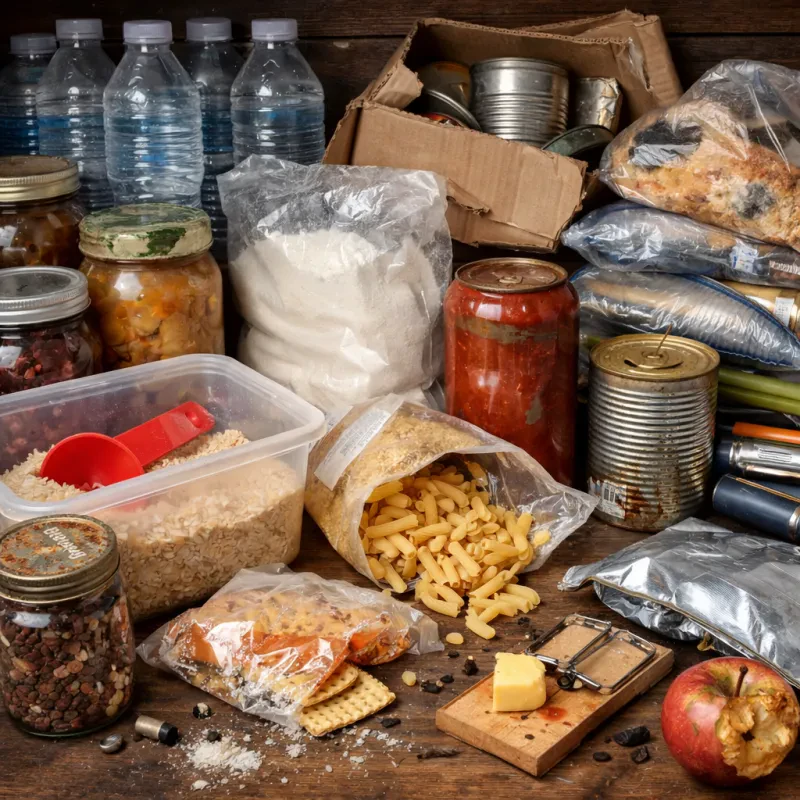
First, gather some non-perishable food items. Think canned goods, dried fruits, nuts, and protein bars. These are easy to store and can last a long time without spoiling. Aim for a good mix of calories and nutrition. Don’t forget a manual can opener if you go for canned goods!
Next up is water. A good rule of thumb is to have at least one gallon of water per person, per day. If time is tight, grabbing a few cases of bottled water is a quick fix. Just remember to rotate it every six months to keep it fresh.
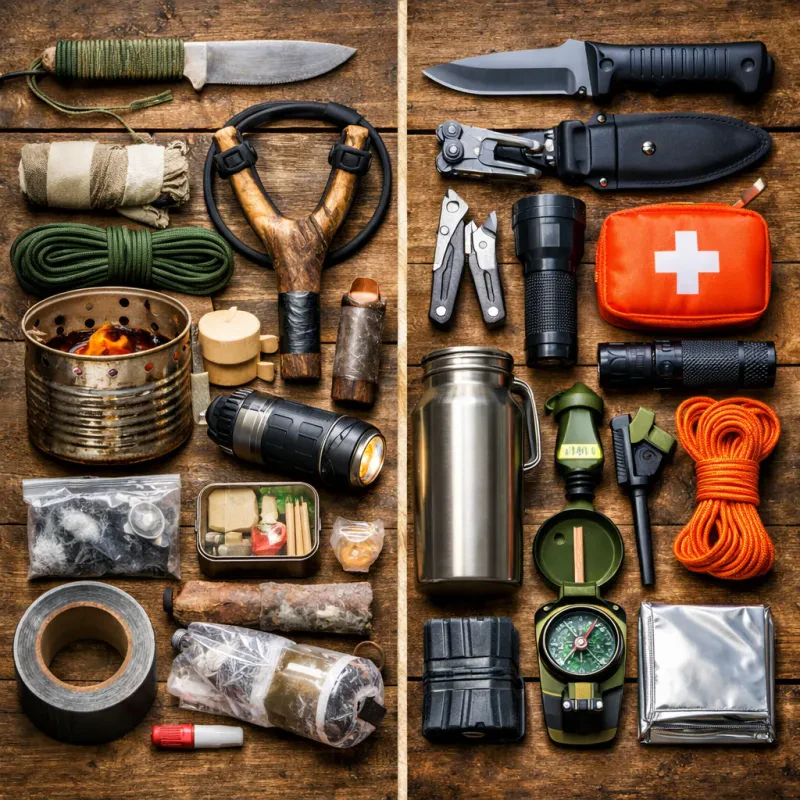
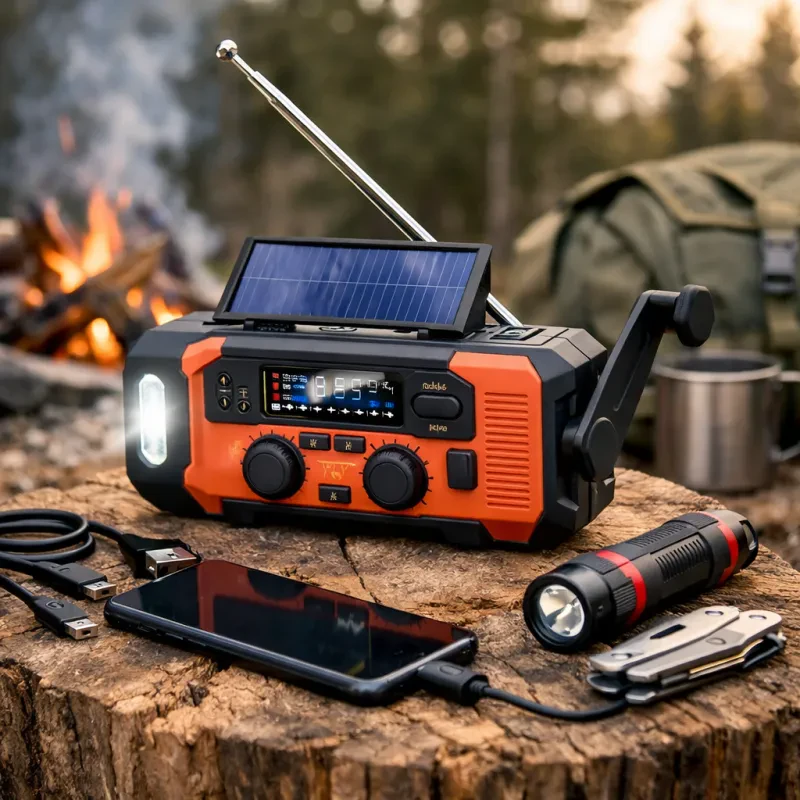
Now let’s talk gear. A basic first aid kit is a must-have. You can buy a ready-made one or put together your own with band-aids, antiseptic wipes, and any personal meds you might need. Lastly, consider a flashlight with extra batteries and a portable phone charger. These little gadgets can really help you out when the power goes out.
Essential Supplies for Extended Survival
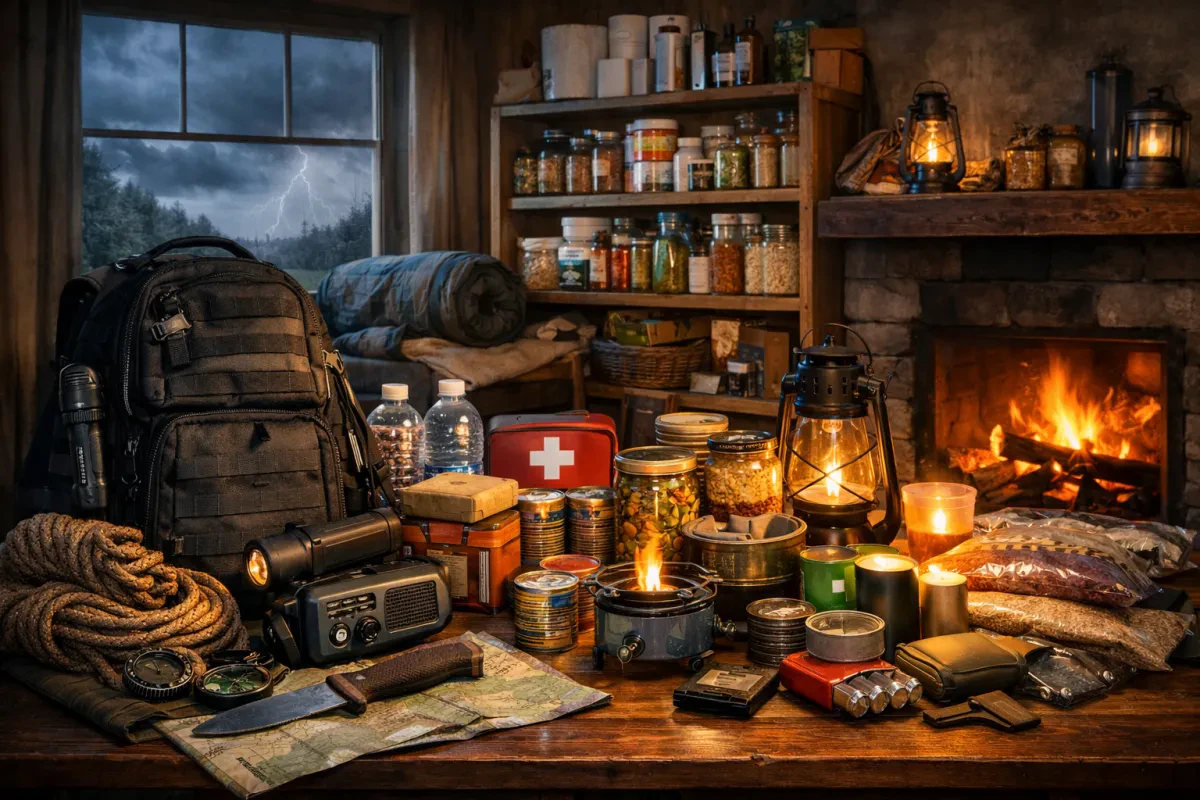
When it comes to Home Survival Prep, having the right supplies makes all the difference, especially for extended survival situations. You'll want to cover the basics: food, water, first aid, and shelter. Let's break them down so you can get a better idea of what you'll need.
First off, food is crucial. Go for non-perishable items like freeze-dried meals, canned goods, and energy bars. Look for options that pack a lot of calories without taking up much space. High-protein snacks can be lifesavers too. Don't forget to check expiration dates and rotate your stock regularly!
Water is another must. Aim for at least a gallon per person, per day. You can store it in jugs or invest in a good water filtration system. If you’re in a pinch, know that boiling water is a great way to make sure it’s clean and safe to drink.
First aid supplies are essential in any survival setup. A well-stocked first aid kit should include bandages, antiseptics, pain relievers, and any personal medications. It’s wise to take a first-aid course, too, so you know how to use everything effectively.
Lastly, shelter options can range from sturdy tarps to quality tents. Make sure you have a reliable way to stay dry and warm. It’s key for both comfort and safety. Keep things packed and ready to go; you never know when you might need to grab your supplies and head out.
DIY Hacks for Home Safety
Home Survival Prep isn’t just about stocking up on supplies; it’s also about making your space safer for you and your family. Some simple DIY hacks can really boost your home’s safety without breaking the bank. Let’s dive into a few ideas you can tackle this weekend.
First off, think about securing your windows. Installing window locks is a smart move. You can easily find these at any hardware store, and they keep unwanted visitors out while still letting fresh air in when you need it. If you've got sliding doors, adding a wooden dowel or a safety bar can stop them from being forced open.
Next, let’s address fire safety. Make sure you have smoke detectors installed in key areas like the kitchen and bedrooms. A little trick is to test them monthly and check those batteries twice a year. You can also create a fire escape plan with your family, so everyone knows what to do in an emergency. It’s a simple step that could really save lives.
Another important aspect of Home Survival Prep is making sure your home is well-lit. Consider adding motion-sensor lights around entry points or pathways. This not only deters intruders but also helps you navigate your yard safely at night. Plus, these lights save energy since they only turn on when needed.
Finally, create an emergency kit in an easily accessible spot. Include essentials like a flashlight, first-aid supplies, and a battery-operated radio. This is perfect for those unexpected moments when you might need quick access to these items. Remember, being prepared with thoughtful DIY safety upgrades can make all the difference when it counts!
Long Term Solutions for Peace of Mind
When it comes to Home Survival Prep, thinking long-term can really give you peace of mind. It’s all about creating a safe space where you can feel secure, no matter what happens outside. Let’s dive into some solid options that make preparing for the future a breeze.
First up, storing non-perishable food is crucial. Think canned goods, rice, beans, and freeze-dried meals. These items can last for years if stored properly. It’s smart to rotate your stockpile, so you always keep the oldest items on hand. You’d be surprised how comforting a well-stocked pantry can be!
Next, consider getting a water filtration system. Clean water is a must for survival, and a good filtration system helps ensure you have safe drinking water in any situation. Whether it’s through a simple filter or a more advanced system, having a reliable water source can make a world of difference.
Don’t overlook the importance of security in your Home Survival Prep. Investing in solid locks, outdoor lighting, and maybe even a camera system can help you feel safer. Knowing that your home is secure allows you to focus on other aspects of your prepping without constantly worrying about break-ins or other dangers.
Lastly, having a plan in place for emergencies is key. Map out escape routes, establish meeting points for your family, and keep important documents organized. Being prepared means you won’t freak out when the unexpected happens—you’ll know what to do! This level of readiness can really take a load off your mind.