When it comes to food storage, even the most seasoned preppers can slip up. Understanding common food storage mistakes preppers make can save you money—and keep your food safe and nutritious. Let’s dive into a few of those missteps to help you keep your pantry in top shape.
One big mistake? Not considering temperature. Storing food in places that get too hot or too cold can ruin it fast. Aim for a cool, dark, and dry spot for your food—like a basement or a dedicated pantry. Avoid stashing your long-term supplies in the garage or attic, where temperatures can fluctuate wildly.
Another common error is ignoring expiration dates. Just because a can or package looks fine doesn’t mean it still contains good food. Make a habit of rotating your supplies. When you bring new items home, put them at the back of the shelf and move older ones to the front. This way, you use the oldest items first—keeping your storage fresh.
Finally, using improper containers can lead to spoilage. For dry goods, invest in airtight containers. You want to keep moisture, pests, and air out as much as possible. Simple glass jars or heavy-duty plastic bins work wonders. Remember, the better you store your food, the longer it lasts, and avoiding these food storage mistakes preppers often make will help you stick to your prepper plan.
Choosing the Right Containers Matters
When it comes to prepping, choosing the right containers for food storage is super important. Many preppers overlook this factor, leading to some common food storage mistakes preppers make. If you want your food to stay fresh and safe, you need to get it right!
First off, think about the material. Glass containers are great for visibility and won't leach chemicals into your food. Plastic can work, too, but make sure it’s BPA-free and designed for food storage. Metal containers can be sturdy but might not be the best choice for all foods, especially those with high acidity. Always check the compatibility to keep your food in top shape.
Another aspect to consider is the seal. Airtight lids are a must. They keep moisture and pests out while locking in the freshness. Some containers come with vacuum-sealing options that are a game changer for long-term storage. Investing in good seals will save you from having to toss out spoiled food later on.
Don’t forget about size and stackability. You don’t want containers that take up all your space. Look for ones that fit neatly together and maximize your storage area. It’s all about organization! Having a tidy space makes it easier to keep track of what you have and what needs to be rotated.
Lastly, label everything! It might seem small, but knowing what’s inside each container and when it was stored can help avoid food storage mistakes preppers often face. Use a dry-erase marker or print some labels. Keep your food prep simple and your storage game on point!
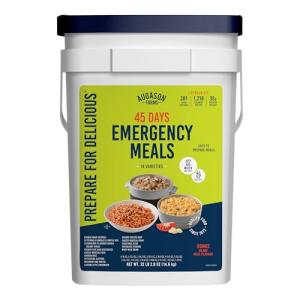
Augason Farms Emergency Food Supply Variety Kit
Get peace of mind with delicious, nutritious meals ready for any situation
Product information
$77.74
Product Review Score
4.85 out of 5 stars
165 reviewsProduct links
Understanding Food Shelf Life Basics
When it comes to prepping, understanding food shelf life is crucial. You want your supplies to last, but a lot of folks make food storage mistakes without realizing it. Knowing how long different foods last can help you avoid wasting money and time by stocking up on items that will spoil faster than you think.
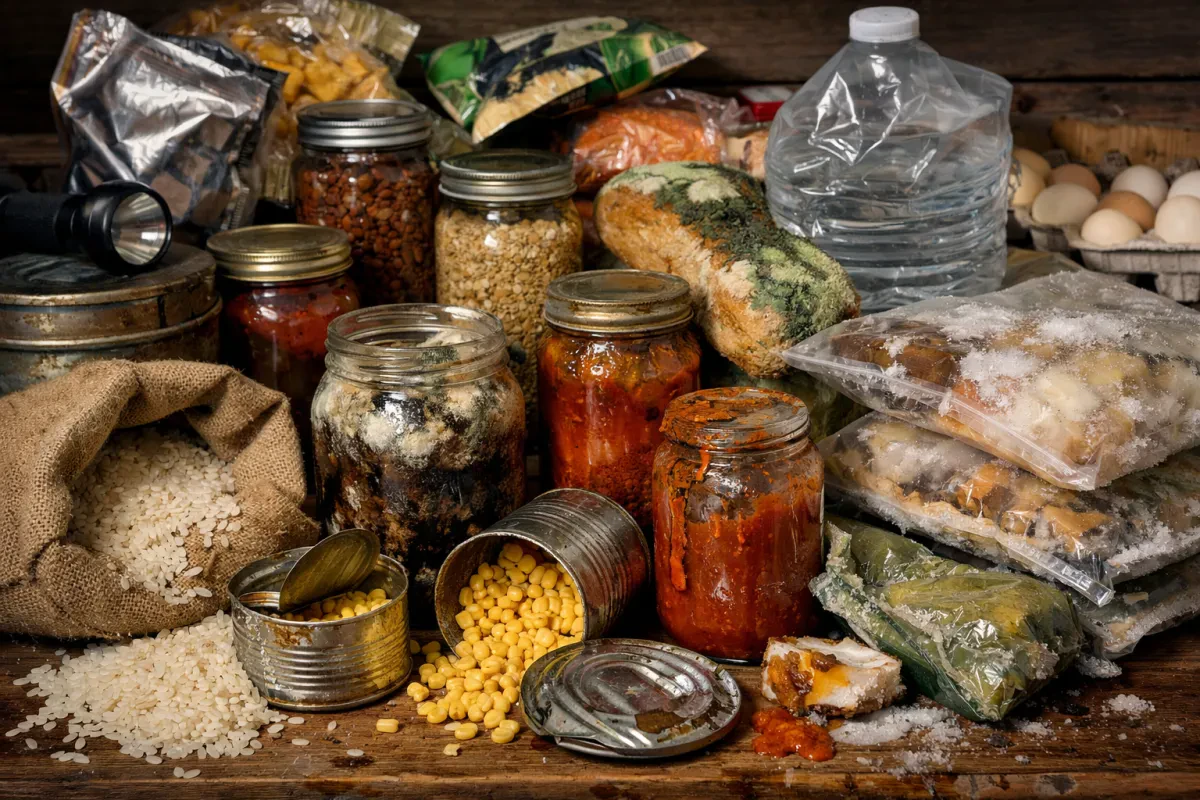
Canned goods, for example, can last for years if stored properly. But always check for dents, rust, or bulging lids, which can mean trouble. And those “best by” dates? They’re more about quality than safety. You might find that canned veggies are still good to eat well after that date.
Dry foods like rice and beans can also have long shelf lives, but they need the right conditions. Keep them in airtight containers away from moisture and light. Sunlight and humidity can create a party for pests and mold, leading to more food storage mistakes preppers often overlook.
Don’t forget about spices! They can lose their flavor over time, but they generally don’t spoil. Storing them in a cool, dark place helps them retain their potency for longer. An organized spice rack can make your meals tasty and prevent you from tossing out expired spices later on.
Lastly, always rotate your stock. Use the oldest items first and keep track of what's expiring soon. This simple practice can save you from running into food storage mistakes preppers commonly make and ensure you always have fresh, usable supplies when you need them the most.
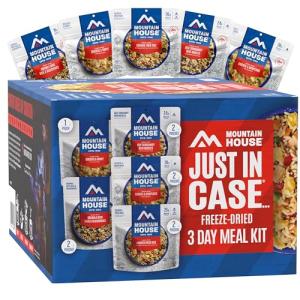
Mountain House 3-Day Freeze-Dried Emergency Food Supply
Perfectly packed meals designed to keep you fueled for three days during any emergency
Product information
$69.99
Product Review Score
4.58 out of 5 stars
194 reviewsProduct links
Maintaining Proper Storage Conditions Is Key
Keeping your food in top shape is crucial, especially when prepping. One of the biggest food storage mistakes preppers make is not maintaining the right conditions for their stored food. Temperature and humidity play a huge role in how long your food lasts.
For starters, make sure to store food in a cool, dark place. A pantry is typically great, but avoid areas that get hit by direct sunlight or fluctuate in temperature, like near ovens or heaters. Ideally, keep your food at a consistent temperature of around 50 to 70 degrees Fahrenheit. Hotter temps can spoil food faster and invite pests.
Humidity is another sneaky factor. Think about using airtight containers to lock out moisture. A dehumidifier can really help if you live in a humid area. The last thing you want is your grains and freeze-dried meals to turn into a damp mess.
Regularly check your pantry for signs of spoilage too. It’s easy to forget what you’ve got in there, but a quick inspection can save you from discovering moldy cans or pest infestations. Remember, a clean and organized storage setup helps avoid these food storage mistakes preppers often make.