When it comes to prepping, less is often more. Minimalist prepping helps you focus on what really matters while avoiding the clutter of unnecessary gear. Instead of grabbing every item you come across, think about what you truly need and what will serve you best in a survival situation.
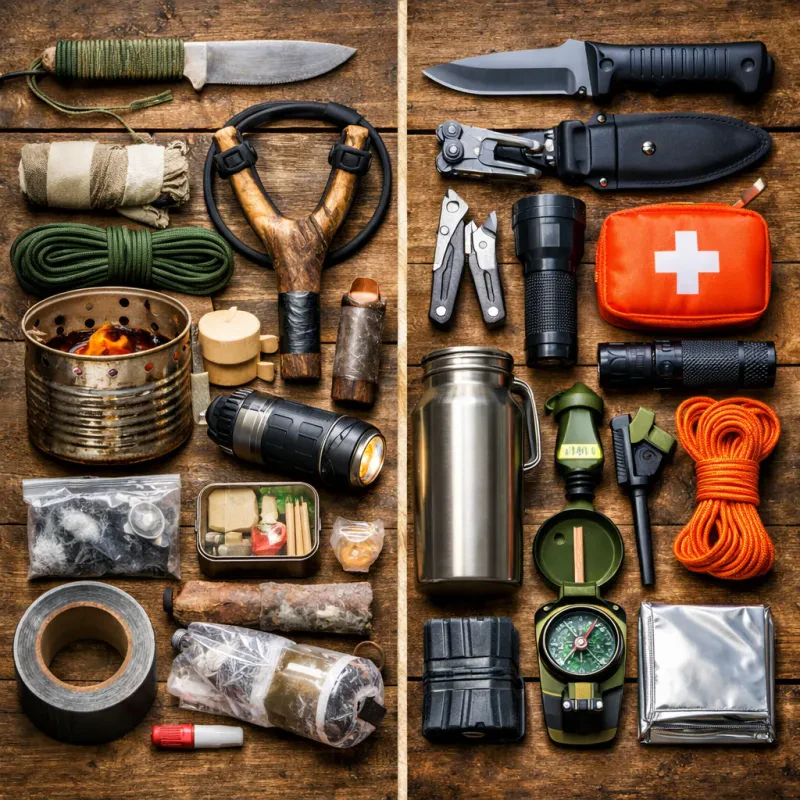
Start with the essentials. A good knife, a reliable fire starter, and a water purification system should top your list. Each of these items has multiple uses, so you won’t find yourself carrying around a lot of stuff that just takes up space. With minimalist prepping, prioritize versatility and functionality over quantity.
Think about your environment and make gear choices based on that. If you live in an area prone to flooding, lightweight waterproof bags are a smart choice. For those in colder climates, a warm, durable sleeping bag and layers of clothing can make survival much more manageable. Tailoring your gear to your specific needs makes minimalist prepping even more effective.
Lastly, regular training is key. Carrying a handful of well-chosen items won’t do much good if you don’t know how to use them. Spend time getting familiar with each piece of gear. Practice building a fire, purifying water, or setting up a shelter. When you’re confident in your skills, you’ll feel less overwhelmed by the thought of surviving with minimal gear.
Essential Skills for Everyday Situations
When it comes to minimalist prepping, knowing how to handle everyday situations can really set you apart. It’s all about building a solid set of skills that you can rely on, no matter what life throws your way. Here are some essential skills you should consider mastering.
First up, basic first aid is a must. You don’t need to be a doctor, but understanding how to treat common injuries is key. Learn how to clean and bandage wounds, handle burns, and respond to allergic reactions. Even knowing how to perform CPR can be a game changer. Pack a small first aid kit and refresh your skills regularly.
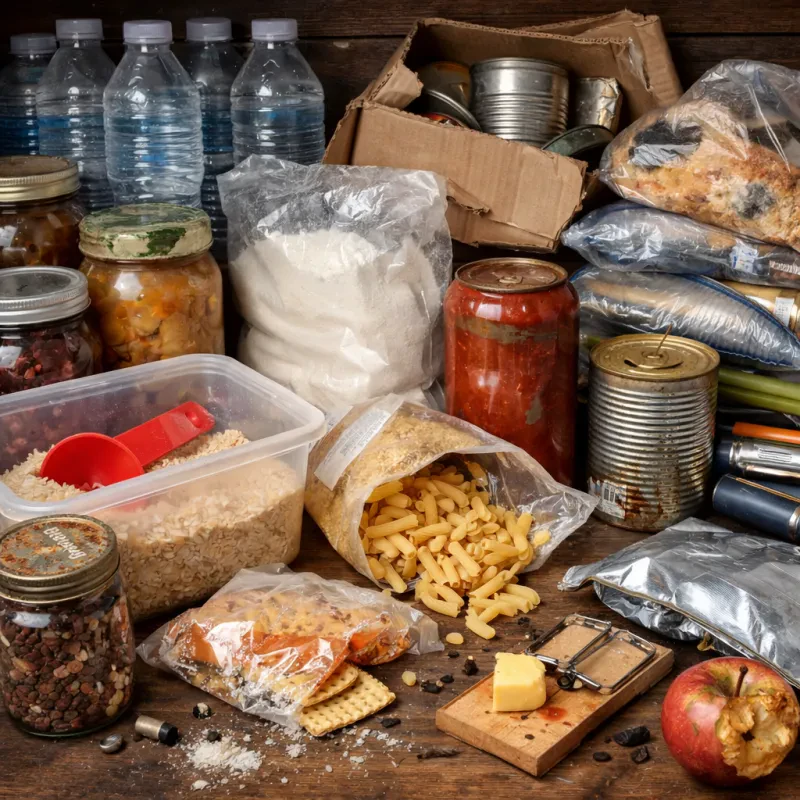
Next, get cozy with cooking and food preservation techniques. This isn’t just about survival—it’s about making the most of what you have. Learn to cook simple meals using dry goods like rice and beans. Get familiar with canning or dehydrating food. These skills not only save money, but they also make you less reliant on grocery stores.
Don’t overlook the importance of navigation and map reading. In today’s tech-heavy world, it's easy to forget that a good old-fashioned map can be your best friend. Learn how to use a compass and read topographical maps. This skill can be invaluable if you ever find yourself in unfamiliar territory.
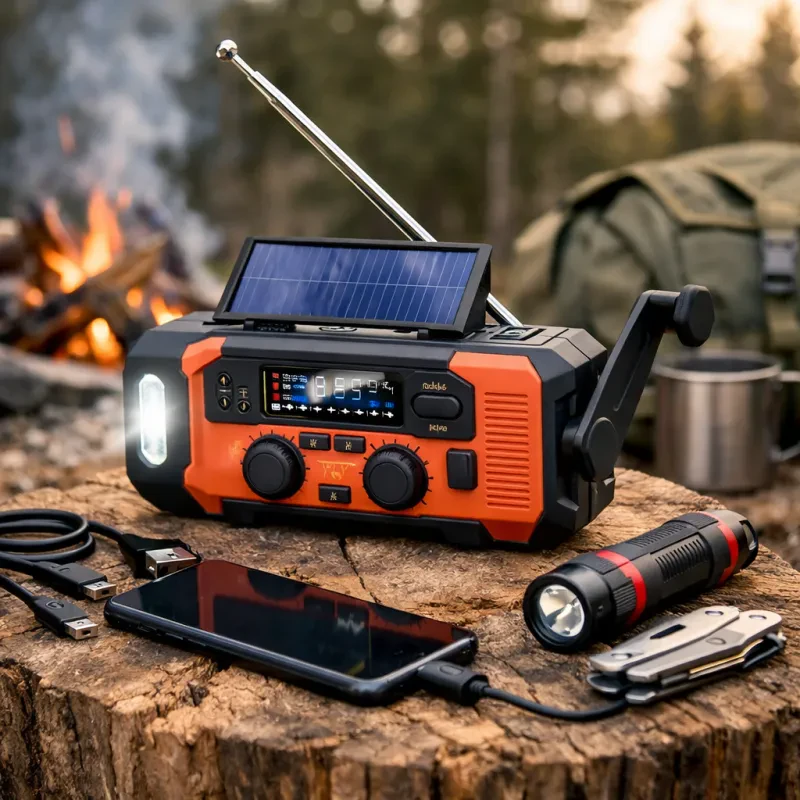
Lastly, communication is vital. Knowing how to effectively communicate with your family or group during a crisis can prevent chaos. Practice clear, direct communication, and consider investing in walkie-talkies or other reliable devices for tough situations. Being calm and collected helps everyone stay on the same page, which is crucial for minimalist prepping efficiency.
Budget Friendly Tips for Smart Prepping
Minimalist prepping is all about being smart with your resources while staying prepared for any situation. You don’t need to break the bank to build your survival stash. Here are some budget-friendly tips that make prepping affordable and effective.
First off, focus on multi-purpose items. Instead of buying a ton of separate tools, look for products that serve multiple functions. For instance, a good multi-tool can save space and money. You’ll get a knife, screwdriver, can opener, and more, all in one handy device.
Next, hit up your local thrift stores or garage sales. People often sell useful items like camping gear, clothing, and even food storage containers for a fraction of the price. Plus, you might stumble upon some unexpected gems that can boost your prepping supplies.
Also, consider DIY projects. You can make your own cleaning supplies, first aid kits, or even simple survival gear. There’s a ton of information online to guide you through it. Not only do you save cash, but you also gain valuable skills in the process.
Finally, prioritize essentials. Focus on foods with long shelf lives, like rice and beans, instead of buying trendy survival meals. Stock up on water purification methods and first aid supplies that you know you’ll actually use. Minimalist prepping means having what you need without all the extras you don’t.
Building a Simple Survival Mindset
Start by assessing what you really need. Make a list of basic supplies that can help you in tough situations. Think about food, water, shelter, and tools. Choose items that are durable and multi-functional. This keeps your gear light and your mind clear. You don’t want to get bogged down with unnecessary stuff.
Next, practice situational awareness. This simply means paying attention to your surroundings. Start tuning in to local news, weather alerts, and community resources. Knowing what’s happening around you helps prepare your mind for action when you need it most. Just like you wouldn’t leave home without a phone, don’t overlook the power of being aware.
Lastly, develop a plan. Outline what you’d do in different scenarios—whether it’s a power outage, natural disaster, or something unexpected. Talk it over with family and friends, so everyone’s on the same page. This builds confidence and keeps panic at bay when things go south. Minimalist prepping isn’t just about gear; it’s about mindset and readiness for whatever life throws your way.